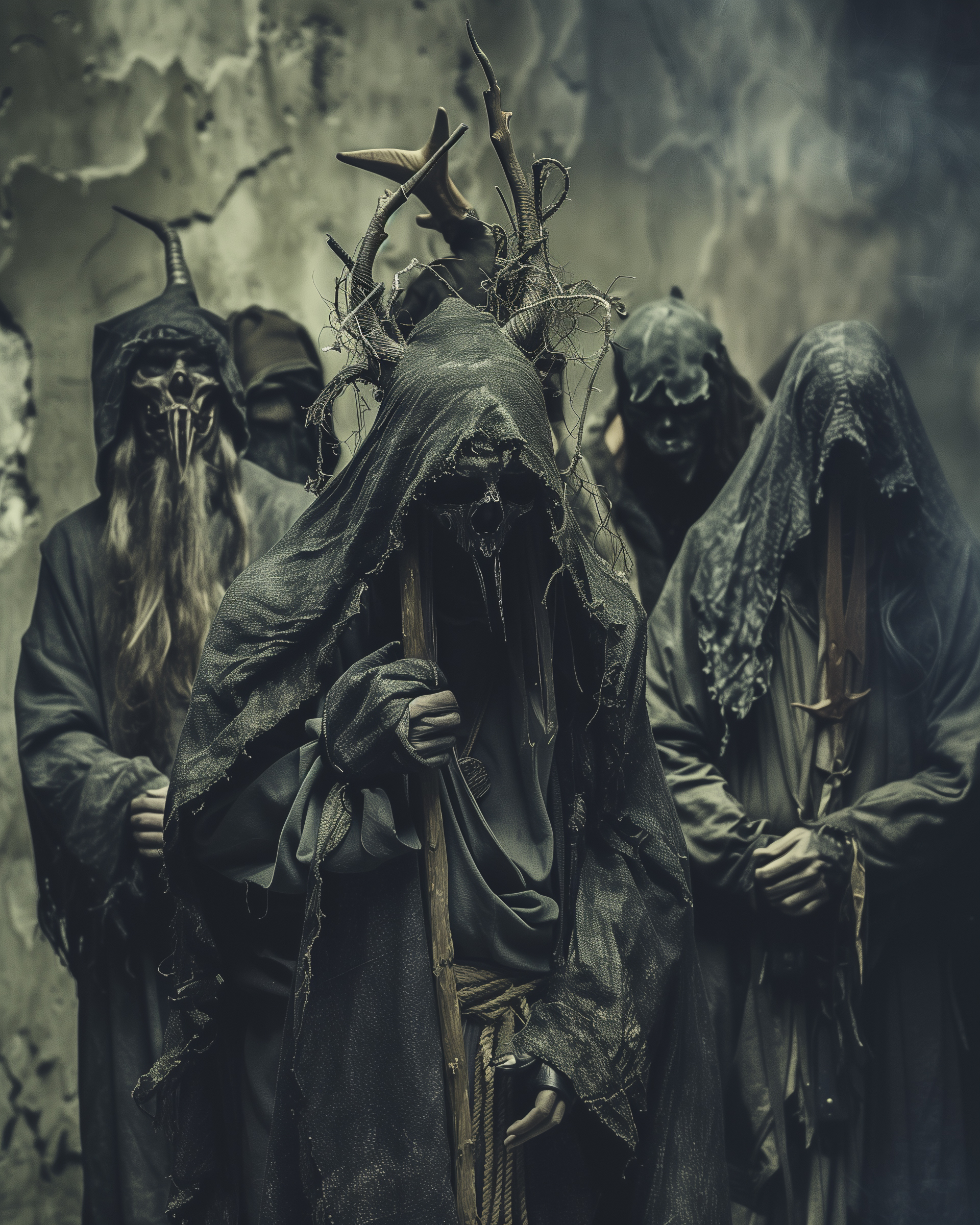


The Fractured Wyrm
Norse. Jörmungandr. Draw Steel in Codex.


Cult of Ragnarök
Origins and Evolution
The Cult of Ragnarök originated from a clandestine gathering of scholars, mystics, and outcasts who shared a belief in the inevitable decline and rebirth of the world through Ragnarök. Initially formed in the shadowy corners of society, their meetings were held in utmost secrecy to avoid persecution by mainstream religious and political powers. Over the centuries, this cult has subtly woven its influence through esoteric symbols and cryptic prophecies, growing quietly yet persistently as it attracted members disillusioned with societal corruption and decay.
Mission and Philosophy
The Cult of Ragnarök holds a fatalistic view of the world, believing its end is predestined and necessary for renewal. Their mission is not merely to hasten Ragnarök but to prepare the world for its rebirth, operating under a strict code of secrecy. They see themselves as custodians of ancient knowledge and necessary agents of chaos, who must act from the shadows to avoid the crushing retaliation of those who would misunderstand or oppose their sacred purpose.
Impact on Society
The cult's impact on society is subtle and often indirect. They spread cryptic rumors and prophecies that stir unease and superstition among the populace, influencing from behind the scenes rather than overtly instigating chaos. Their presence is felt more as a pervasive sense of impending doom that occasionally influences local folklore or stirs panic during times of natural disaster. The cult avoids large-scale confrontations or actions that would draw widespread attention, preferring to let their planted seeds of fear and discord subtly undermine societal stability.
Leadership Structure
The Cult of Ragnarök is led by a shadowy figure known only as "The Veiled One," whose true identity and origins are unknown even to most members of the cult. Supporting The Veiled One is a council of Shadows: senior members who oversee the cult’s activities across various regions. Each member of the council is responsible for disseminating the cult's philosophy and orchestrating its secretive missions without drawing attention to their operations. Operatives within the cult are often unaware of the identities of other members, ensuring that the capture or betrayal of one does not endanger the whole.